The Journal · No 01 · Summer 2024 · 6 min read
Not-A-Salami: A Sweet Journey Through Sicily and Beyond
Not-A-Salami may seem like a modern culinary trend, but its roots run deep in the traditions of Sicilian holiday tables, where cocoa salami was made from what the pantry offered.
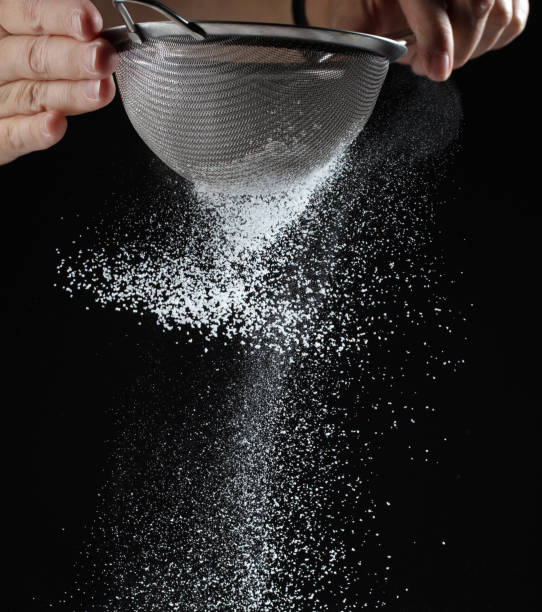
Long before Not-A-Salami was a brand, it was simply something Eva's grandmother made on the kitchen table in Modica. A wooden board, a long sheet of butcher's paper, a length of twine. Cocoa folded into broken biscotti, butter, a measure of sugar, and whatever was in the pantry that week. Rolled by hand, tied at both ends, set in the cold corner of the cellar to firm up.
It wasn't a recipe written down. It was the recipe — passed from one woman to another, slightly different in every house, never quite the same twice. In Sicilian, it had as many names as it had grandmothers. Salame di cioccolato. Salame turco. Salame del nonno. In our house, it was just la salame inglese — the English salami — for the way it sat on the table looking like one thing and revealing itself as another.
The original use of the salami shape was practical, not theatrical. Cured meats hung from rafters; sweets were rolled to a similar diameter so they could be wrapped in the same paper and tied with the same twine, then placed alongside the prosciutto and the bresaola at the holidays. The wink was a happy accident. The reveal — that the dense, cool, fragrant slice was chocolate, not pork — became the joke that made the meal.
We brought the recipe to San Francisco in our own kitchen, then a small commissary, then a slightly larger one. We tested cocoa from four continents and settled on Guittard, a San Francisco institution whose cocoa holds its temper even at room temperature. We tracked down biscotti with the precise crunch — not too sweet, not too soft. We argued about sugar crystals (yes, in the end). And then we did the only thing that mattered: we slowed down.
Every Not-A-Salami is still rolled by hand, tied by hand, rested in our cold room for the same number of days. Each one travels in the same parchment and twine our family has used for three generations. When you cut it open at the table, what you're slicing is not a product — it's a small piece of a Sunday afternoon in Sicily, half a century ago, in a kitchen that smelled like coffee and cocoa and rain on the cobblestones.
That's the journey. From Modica to a table in San Francisco — or yours, wherever it sits.
— Eva & the Not-A-Salami team